Tax Planning
Stop Reacting to Taxes. Start Controlling Them.
Problems You Face:
- Shocked by your tax bill every year?
- Paying more than your fair share?
- No strategy beyond “hope for the best”?
Many business owners view taxes as a once-a-year burden instead of a strategic advantage. Poor planning can cost thousands in missed deductions, unnecessary penalties, and cash flow challenges.
Solutions We Provide:
It’s never too early to start saving on taxes. With our tax planning services and guidance from an experienced tax planning advisor, you can keep more of what you earn and avoid surprises when filing. Our team analyzes your financials, identifies every deduction and credit you qualify for, and creates strategies tailored to your business and personal goals.
Strategic Year-Round Approach
Through business tax planning and ongoing financial tax planning, we monitor your financials year-round and align your tax strategy with your business and personal goals. From timing income and expenses to leveraging credits, our year-round planning ensures you keep more of what you earn while staying ahead of potential liabilities.
Maximizing Savings & Staying Compliant
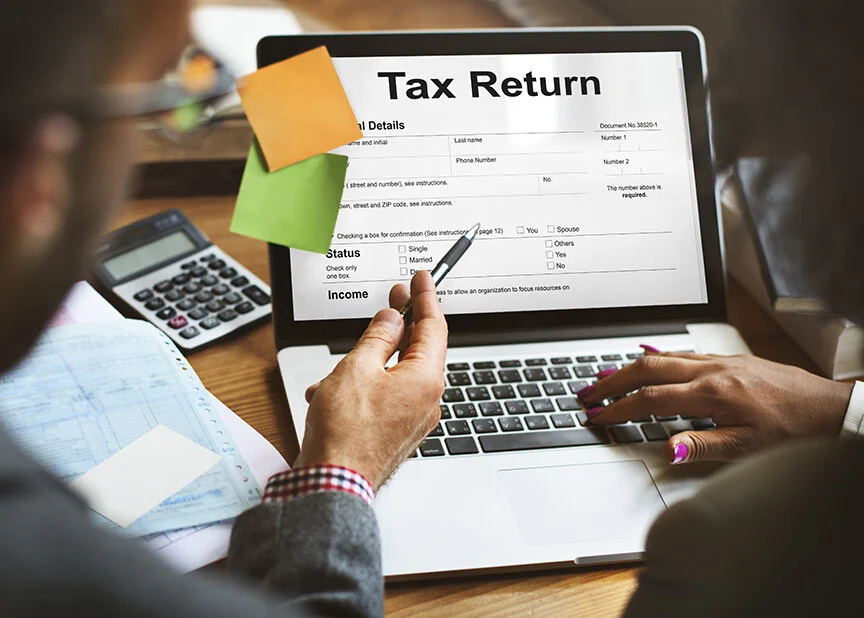
Our experts identify every possible deduction and implement compliance safeguards. With tax preparation and planning, CPA tax planning, and support from a tax planning financial advisor, you’ll avoid audits, fines, and costly errors while capturing legitimate write-offs you may have overlooked.
We provide quarterly insights and strategic advice for multi-entity businesses, helping you plan ahead and optimize structures. From corporations to LLCs, our approach ensures tax efficiency across your operations.
We also offer guidance for estate and tax planning, inheritance tax planning, and wealth management and tax planning, so your personal and business finances work together efficiently.
Take Control of Your Taxes with Expert Tax Planning Services
With EACPA Pro’s tax planning services, including business tax planning, tax planning for individuals, CPA tax planning, and estate and tax planning, we help you minimize liabilities, maximize deductions, and align your personal and business finances for long-term growth.
Why Choose Us for Tax Planning
As a trusted tax planning company with access to the best tax planning software, we provide actionable strategies for individuals and businesses alike. Whether you need a business tax plan, tax planning for individuals, or advice from a tax planning attorney, our team ensures your financial strategy maximizes savings and stays compliant with all regulations.
Stop reacting and start planning. With EACPA Pro, your taxes become a strategic advantage rather than a yearly stress. From tax planning services to financial tax planning and CPA tax planning, we help you save more, plan smarter, and secure your financial future.
- Optimizes yearly tax savings
- Reduces future liabilities
- Aligns business and personal taxes
- Informed decision-making
- Avoids penalties and fines
- Supports long-term financial goals