Late payments can throw your whole rhythm off. One minute, you’re fine, next minute, you’re juggling bills, payroll, and rent like a circus act. The good news? There’s a way to handle it without losing sleep. Let me break it down for you, step by step.
Think of this as a guide that actually tells you what to do, step by step.
What Retail Cash Flow Management Really Means
Think about it this way: your books might look great, profits on paper are solid—but if the cash isn’t available, bills and payroll get stuck, and suddenly, you’re in a bind. Cash flow management stops that from happening. It’s simply knowing where your money is, at all times, so you can make decisions with confidence instead of stress.
Why Cash Flow Management Is So Important
Cash is king. Even if sales are strong, late payments can choke a business. Knowing why cash flow management is important helps you see why tracking it isn’t optional. Good cash flow lets you:
- Pay staff and suppliers on time
- Avoid overdraft fees and late penalties
- Make confident investment or expansion decisions
- Handle slow periods without panic
Without it, even a profitable business can feel shaky.
Why Payments Get Delayed
Delayed payments happen to every retail business. Common reasons include:
- Customers taking longer than their payment terms allow
- Big contract payments taking time to process
- Seasonal sales dips
- Errors or disputes in invoices
- Economic slowdowns affecting client liquidity
When you know why delays happen, you can prepare and respond instead of just reacting.
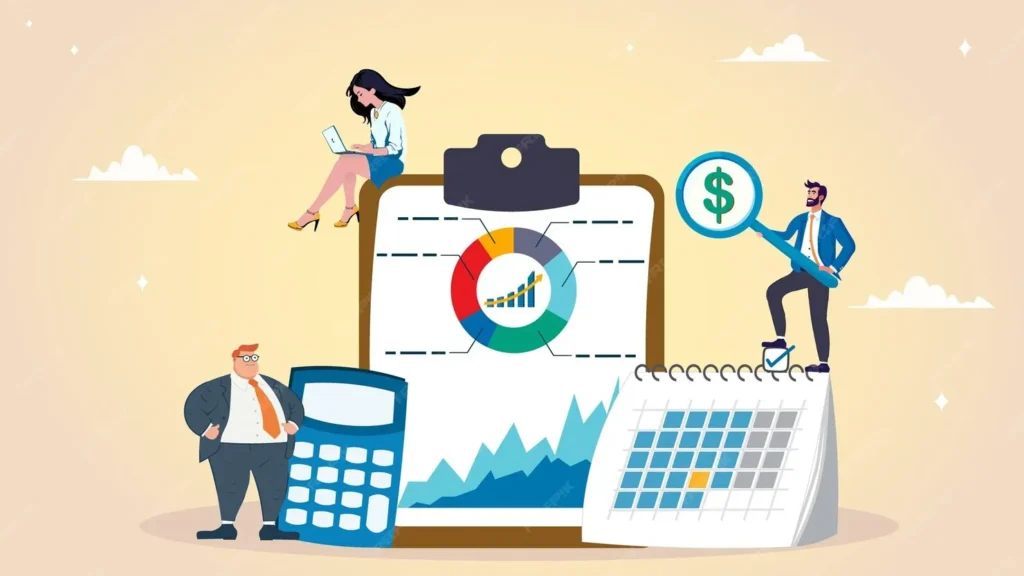
Cash Flow Management Tips for Retail Businesses
Here’s the practical part—the stuff you can actually do to keep cash flowing.
1. Forecast Your Cash Flow
Think of this like a roadmap. Predict your inflows and outflows weekly or monthly. Always factor in potential delays. Update it regularly so you’re never caught off guard.
| Month | Expected Inflow | Expected Outflow | Net Cash Flow |
| January | $50,000 | $45,000 | $5,000 |
| February | $60,000 | $50,000 | $10,000 |
| March | $40,000 | $48,000 | -$8,000 |
2. Prioritize Payments
Not all bills are equal. Start with the essentials: staff, rent, critical suppliers. Negotiate payment terms with vendors when needed. Smart prioritization prevents a cash crunch.
3. Encourage Early Payments
Want faster cash? Offer a small discount for early invoice payments. Send reminders that are friendly but firm. Even small incentives can speed up your cash flow significantly.
4. Manage Inventory Carefully
Inventory sitting around is money frozen in your business. Focus on products that sell fast, avoid overstocking slow-moving items, and free up cash for things that matter. This is a core part of cash flow optimization.
5. Use Short-Term Financing Wisely
Lines of credit or invoice factoring can help bridge cash gaps, but only if you use them carefully. Don’t borrow more than you need and watch interest costs—it can add up fast.
6. Track Key Metrics
Keep an eye on the numbers that matter:
- Days Sales Outstanding (DSO)
- Accounts Payable and Receivable
- Cash Conversion Cycle
- Profit Margins
Monitoring these tells you exactly where money is tied up and where action is needed.
7. Automate Your Cash Flow Tracking
Automation isn’t just for big companies. Even small retail businesses benefit from software that tracks cash flow in real time. You’ll get accurate insights without hours of manual work.
Handling Cash Flow During Contract Payment Delays
Contracts are great—but payments can lag. Here’s how to deal with it:
- Clearly spell out payment terms in contracts
- Add penalties or interest for late payments
- Keep an emergency cash reserve
- Diversify clients to reduce dependency on one source of revenue
- Stay in touch with clients about upcoming payments
Follow these cash flow management strategies, and even delayed payments won’t stop your business.
Improving Company Cash Flow
Cash flow improvement isn’t complicated, but it takes consistent action:
- Cut unnecessary costs
- Lease equipment instead of buying outright
- Negotiate longer terms with suppliers
- Sell unused assets or slow-moving inventory
- Adjust pricing to increase margins
Small steps today can free up a lot of cash tomorrow.
Using Cash Flow Management to Grow
Here’s the thing: good cash flow management for business isn’t just survival—it’s growth. When you know where your cash is, you can:
- Expand your product line
- Hire the right staff
- Enter new markets
- Run marketing campaigns without worry
Basically, strong cash flow lets you invest in opportunities instead of scrambling to cover obligations.
Frequently Asked Questions
What is retail cash flow management and why does it matter?
Retail cash flow management is tracking money coming in and out to make sure you can cover obligations. It matters because it keeps the business running even if payments are delayed.
How can businesses manage cash flow when payments are delayed?
Forecast cash, offer early payment incentives, negotiate flexible terms, and maintain an emergency fund to cover gaps.
What are effective cash flow management strategies for retail?
Monitor KPIs, prioritize essential payments, automate tracking, manage inventory smartly, and maintain a cash reserve.
How does cash flow optimization help a retail business?
It ensures liquidity, reduces financial risk, improves creditworthiness, and supports sustainable growth.
What tools can help track cash flow?
Accounting software, ERP systems, automated invoicing, and integrated POS systems provide real-time insights.
How do delayed contract payments impact retail cash flow?
They can create cash shortages, making it hard to pay staff, suppliers, and bills. Planning ahead reduces stress.
Why is cash flow management important for growth?
Strong cash flow allows safe investment in products, staff, markets, and marketing without risking operations.
How can a company improve cash flow quickly?
Cut overhead, sell unused assets, negotiate supplier terms, and encourage early customer payments.
How is effective cash flow management measured?
Metrics like Days Sales Outstanding, accounts payable turnover, cash conversion cycle, and profit margins show performance.
Can retail cash flow management reduce financial risk?
Yes, it minimizes missed payments, overdraft fees, and insolvency risk, keeping the business secure.